No items in cart
Buy 2 Get 1 Free
Add 3 products to the cart and get the cheapest for free at checkout.
Add 3 products to the cart and get the cheapest for free at checkout.

Lo-fi plugins are a key ingredient in genres that call for retro, low fidelity textures.
I’m talking about styles like bedroom pop, lo-fi hip-hop and all the related niches that have grown in popularity over the last several years.
While the original lo-fi recordings were the result of the limitations of early recording hardware, producers today intentionally seek out lo-fi sound for its warm, nostalgic character.
But how can you get a convincing lo-fi sound in your DAW? What plugins are available and how can you use them for the best results?
In this article, I’ll break down the core aspects of lo-fi sound and suggest options to get them in your own productions.
Let’s get started.
Lo-fi is short for ‘low fidelity’ and refers to the sonic characteristics that result from poor quality recording methods or substandard equipment.
While the connotation may seem negative, the term is often used affectionately in connection with vintage sound and analog recording gear.
In fact, lo-fi was coined as an inversion of the term hi-fi, or high fidelity, which is used to refer to high end home stereo equipment.
As audio quality improved with the invention of magnetic tape in the 1940s, a new consumer market for recorded music set off a technological race to deliver higher quality of sound.
As each new format improved on the last, lower fidelity sound became associated with nostalgic feelings about the past.
Today, lo-fi sound is a core aspect of several popular genres, including lo-fi hip-hop as I mentioned above.
Many producers now use purpose-built lo-fi plugins to add convincing lo-fi textures to sounds recorded with modern equipment to make them seem like vintage lo-fi recordings.
Lo-fi effects seek to imitate the qualities of cheap recording gear from the analog era.
I’m talking about cassettes, reel-to-reel tape, vinyl records and other consumer gear that was common from the 60s through the 80s.
While it was perfectly possible to achieve high quality sound using analog methods, true high fidelity required the expensive equipment only found in big studios.
To record at home, amateur musicians had to make the best of what they had available to them, despite the significant limitations.
Here are the most recognizable hallmarks of lo-fi sound:
I’ll break down each one and suggest options for bringing them into your DAW.
Noise is present in nearly all analog systems.
Whether it’s the microphone preamps in your audio interface or a vintage tape machine, noise creeps in wherever analog amplification takes place.
While it’s true that producers usually need to reduce the impact of unwanted noise, analog-style noise can be pleasing and atmospheric when used tastefully.
Analog noise shares many of the same qualities as lo-fi sound in general—warm, saturated and without many harsh high frequencies.
With that in mind, you can easily find your own noise samples and process them accordingly to get a nice lo-fi sound.
But if you’re looking for a simple solution, Noize 2 from Denise Audio makes adding textured noise simple and creative.
Download the free trial to give it a try and don’t sleep on the unique dynamic mode!
Managing headroom was a key task for recording engineers during the analog era.
All analog devices have a sweet spot. Feed them too much signal and they’ll clip into distortion. But too little signal could result in a weak sound with poor signal to noise ratio.
When it comes to analog tape, producers found that setting the input signal at just the right level could impart pleasing harmonic saturation.
This unique form of clipping is great for enhancing the critical upper midrange frequencies without becoming harsh or aggressive.
Lo-fi sounds typically lean into this approach, pushing it even further to exaggerate the saturation effect. When you’re going for a tape-style sound, you need accurate tape emulation to really capture the feel.
Our TAIP plugin is one of the best options available to get the authentic sound of analog tape in your DAW.
Try using the double mode and setting the input to “hot” for classic driven tape effects that veer into lo-fi goodness when pushed hard.
A key aspect of a recording system’s fidelity is its ability to capture the full spectrum of frequency content.
Budget analog systems couldn’t easily record or reproduce the extreme high and low ends of the spectrum.
Instead they often rolled off the low and high frequencies to create a warm, mid-forward character without harshness or muddy bass.
Though initially considered a shortcoming, warm top end can feel pleasant and comfortable when done right.
Don’t be afraid to get aggressive with your high and low-pass filters, especially when harshness is present.
And if you need more than just EQ to tame harsh high end, consider trying a dynamic resonance suppressor like Smooth Operator Pro.
Cutting too much high end information can lead to a loss of definition, so Smooth Operator Pro's advanced spectral processing can come to the rescue when you need a warm sound that retains its clarity.
Playing vinyl records and recording reel-to-reel tape required intricate devices with many moving parts.
If anything was even slightly misaligned, subtle variations in playback speed could lead to audible fluctuations in pitch.
This is most commonly called wow and flutter, and it refers to the characteristic artifacts of low quality analog storage media.
But even though this effect was considered undesirable at the time, producers grew to love this form of modulation for its unpredictable, yet musical qualities.
These days, wow and flutter is essential in lo-fi production if you want a proper vintage atmosphere.
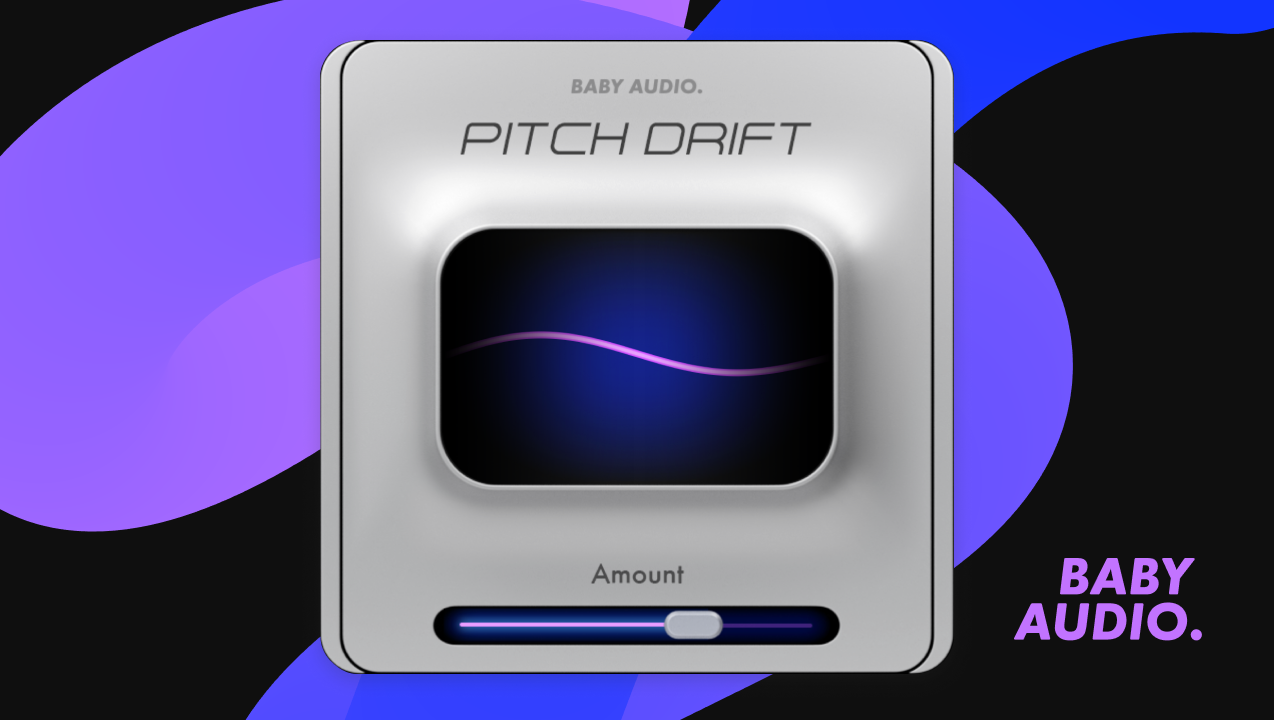
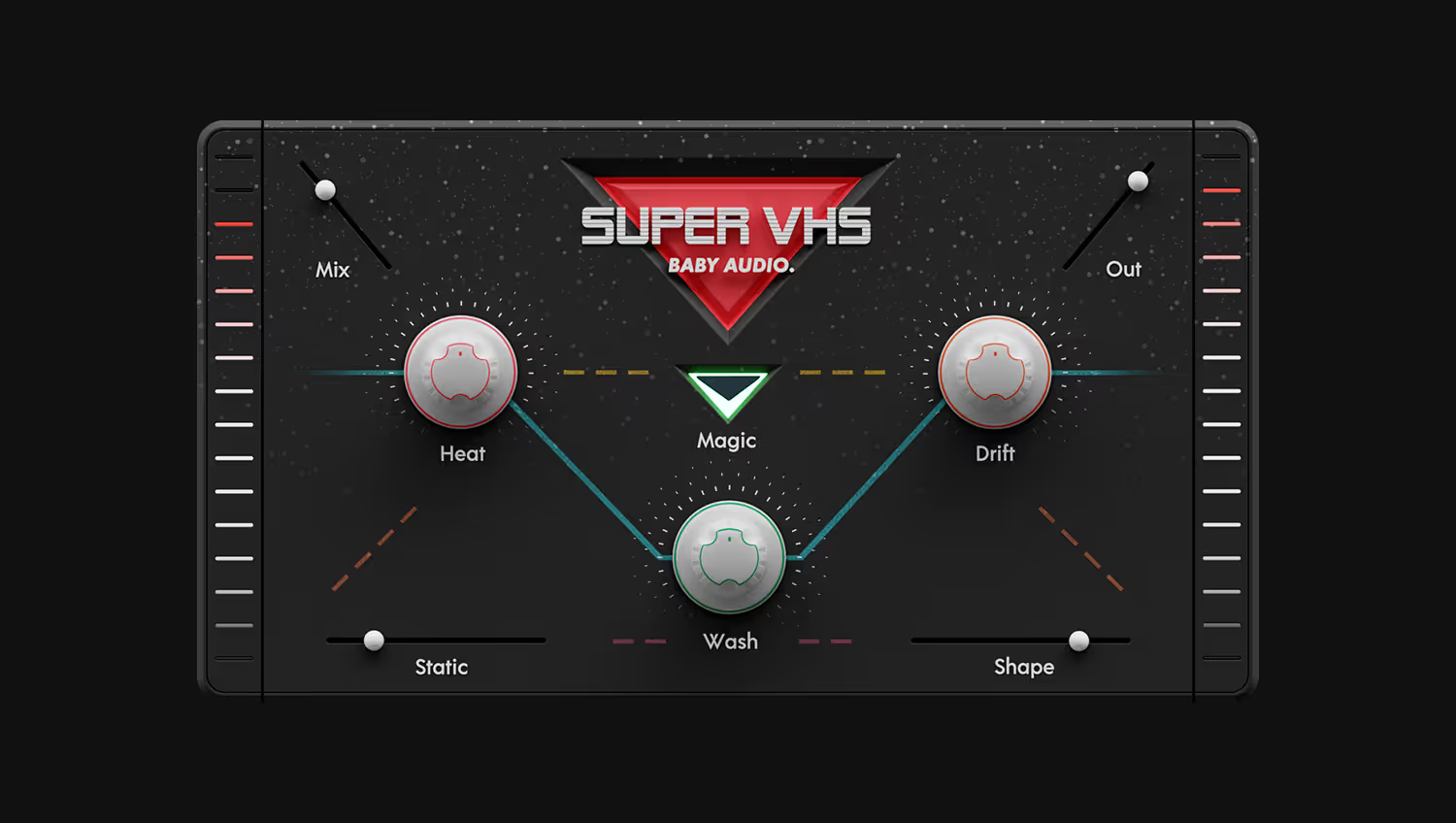
To get it, you might consider our Pitch Drift plugin. Pitch Drift is the free edition of one of the most popular effects from Super VHS, our 80s-inspired retro channel strip.
Pitch Drift gives you classic analog-style pitch modulation with a super simple workflow. And if you like what it can do, its big brother offers even more creative lo-fi effects inspired by vintage videocassettes.
Low fidelity sound has evolved from a shortfall of budget recording gear to a sought-after aesthetic in modern production.
Plenty of recordings with lo-fi qualities are considered iconic today and entire movements have sprung up around the unique nostalgia of analog sound.
Luckily, getting convincing lo-fi effects has never been more accessible. With a little practice, you can use the techniques described above to the perfect lo-fi feel for your track.
Now that you have some ideas, get back to your DAW and keep creating your lo-fi masterpiece.


.png)
.avif)